Access to medical imaging remains uneven across the world. In many rural and low-resource settings, healthcare teams do not have reliable access to X-ray imaging. Others rely on outdated equipment that limits image quality and diagnostic confidence. Without reliable imaging, clinicians need to make difficult decisions with incomplete information.
Remote consultation can support diagnostics when specialists are not available locally, but even experts struggle to draw conclusions when X-ray images are low-quality and unclear.

Improving access to X-ray technology is one of the most practical steps toward closing diagnostic gaps. Facilities need imaging systems that deliver meaningful clinical information at the point of care.
KA Imaging’s Reveal 35C X-ray detector aims to strengthen X-ray capability in settings where advanced modalities like CT or MRI are not available.
Understanding the Lack of Access to Diagnostic Imaging in Global Health
The World Health Organization has highlighted how crucial diagnostic imaging is in the modern era of healthcare. Imaging technologies provide essential diagnostic information for a wide range of diseases and traumatic injuries.
Despite this, many regions of the world lack access to advanced imaging methods such as CT or MRI. Weak digital infrastructure, unstable power supplies, skilled labour shortages, and the high cost of imaging equipment all contribute to inaccessibility.
A rising concern in global health is how to address regional gaps in access to care. While expanding access to diagnostic imaging is widely recognized as a global health priority, significant barriers remain. Currently, underserved regions rely on referrals to centralized facilities, remote medical solutions where possible, and whatever resources are available locally.
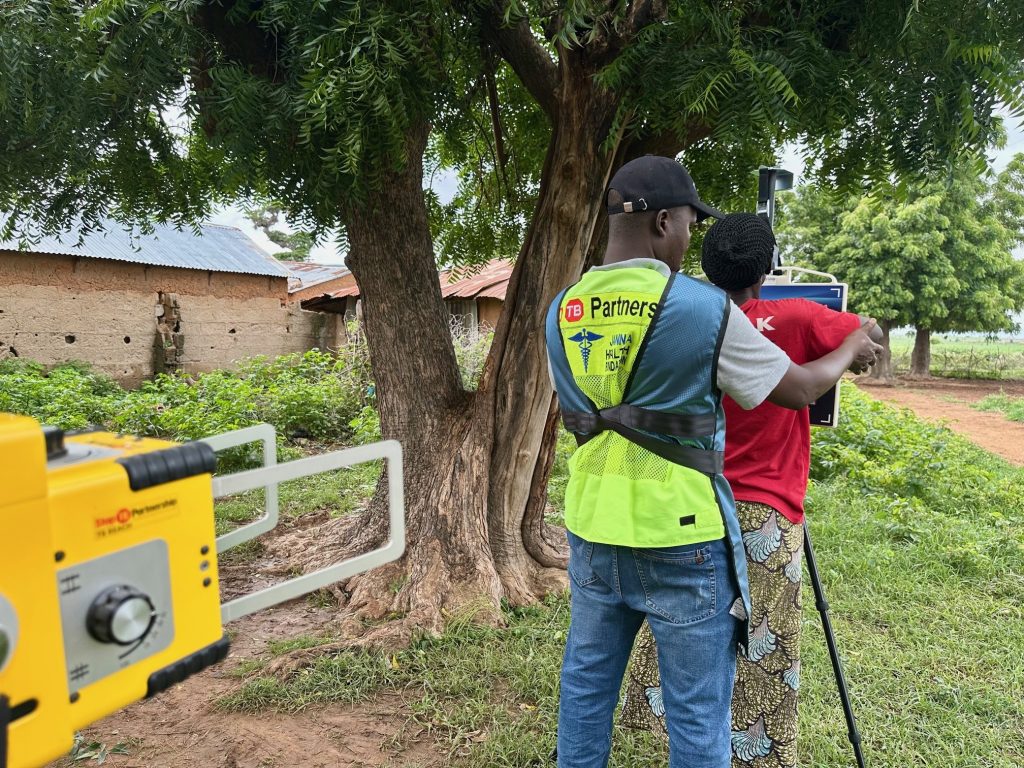
Image Credits: StopTB
How Remote Access Imaging Works with Reveal 35C
Reveal 35C is KA Imaging’s patented portable X-ray detector, equipped with SpectralDR for advanced material separation. In addressing global health gaps, Reveal technology is designed to provide a cost-effective portable solution that extends the diagnostic value of routine X-ray via spectral X-ray imaging, helping provide additional image information while supporting deployment in settings without advanced imaging infrastructure.
The detector supports use in fixed rooms or mobile units and can integrate with existing X-ray systems. This flexibility allows low-resource healthcare facilities to strengthen imaging capability without building entirely new infrastructure.
The Reveal 35C supports remote diagnostics by providing three complementary image sets (DR, bone, and soft tissue) from a single exposure, helping enable more confident and efficient interpretation by radiologists regardless of location.
Reveal 35C Kenya Project: Bringing Advanced Imaging Technology to Kenya
In 2024, KA Imaging had the opportunity to work with the Kenyan Kids Foundation Canada (KKFC) to bring our advanced X-ray detector, Reveal 35C, to Kenya. This project was started with the goal of improving imaging accessibility in Kenya’s rural, underserved regions.
Kenya has historically struggled with access to care due to labour shortages, underfunded and unevenly distributed facilities, and significant disparities between rural and urban areas that force many patients to travel long distances for services.
In August 2024, our team travelled to Village of Hope Hospital in the Cherangany Hills of northern Kenya to help with installation and training the hospital’s medical personnel on the Reveal 35C technology.
In settings where CT is not available, dual-energy X-ray imaging with the Reveal 35C detector may provide additional diagnostic information beyond standard radiography. Access to on-site dual-energy imaging may support more informed clinical decision-making at the point of care.
You can learn more about the Kenyan Access to Advanced Medical Imaging project here:
- Read More: KA Imaging and Kenyan Kids Foundation Canada Partner to Bring Advanced Medical Imaging to Remote Regions of Kenya
- Read More: After a year, Kenyan hospital Village of Hope reflects on the impact of the Reveal 35C
This project reflects one example of how portable X-ray technology can support imaging access in underserved communities. It demonstrates how targeted deployment and training can enhance local capacity.
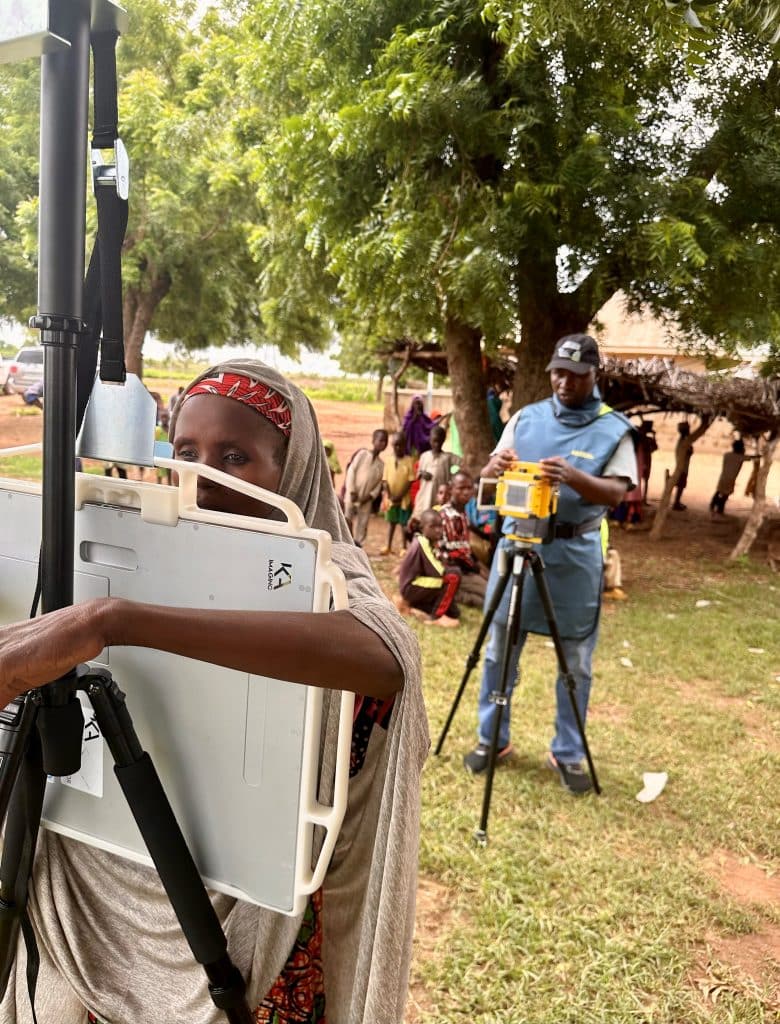
StopTB Nigeria: Bringing Point-of-Care TB Screening to Communities
In addition to our work in Kenya, KA Imaging participated in a StopTB initiative in Nigeria to support tuberculosis screening using Reveal 35C. Delivered directly at the point of care, the images below demonstrate the broad impact of advanced imaging technology in these rural, underserved areas.
These deployments demonstrate how portable spectral X-ray imaging can support screening initiatives by providing imaging capability closer to the point of care.
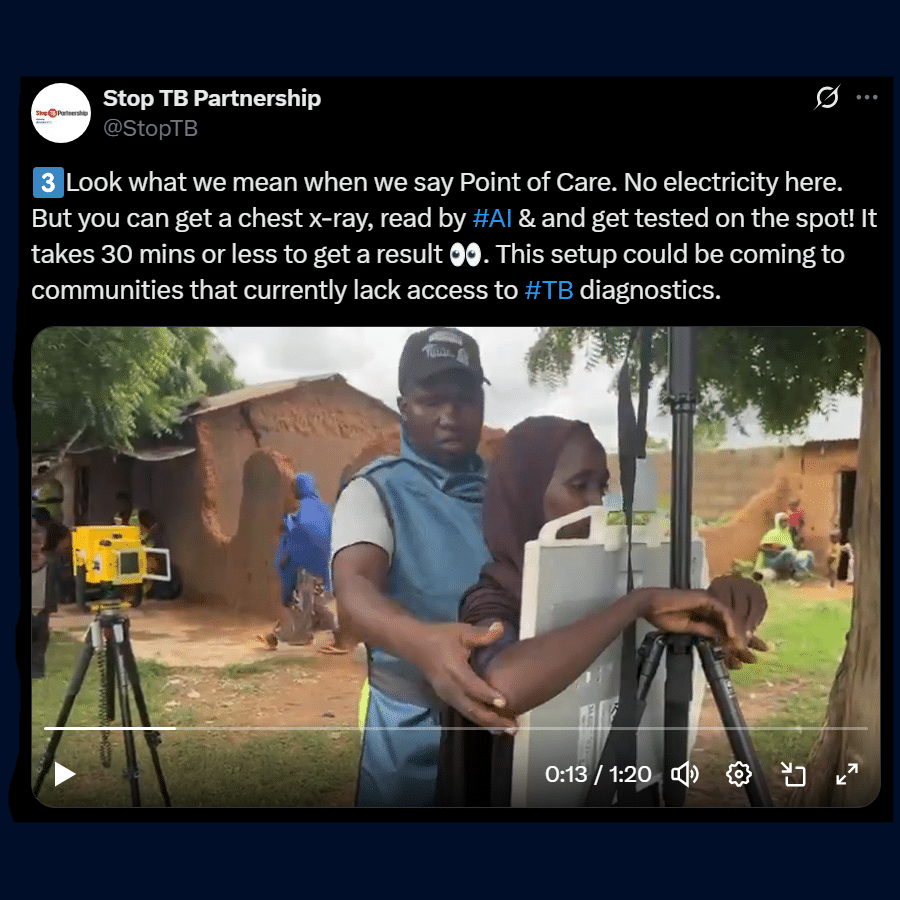
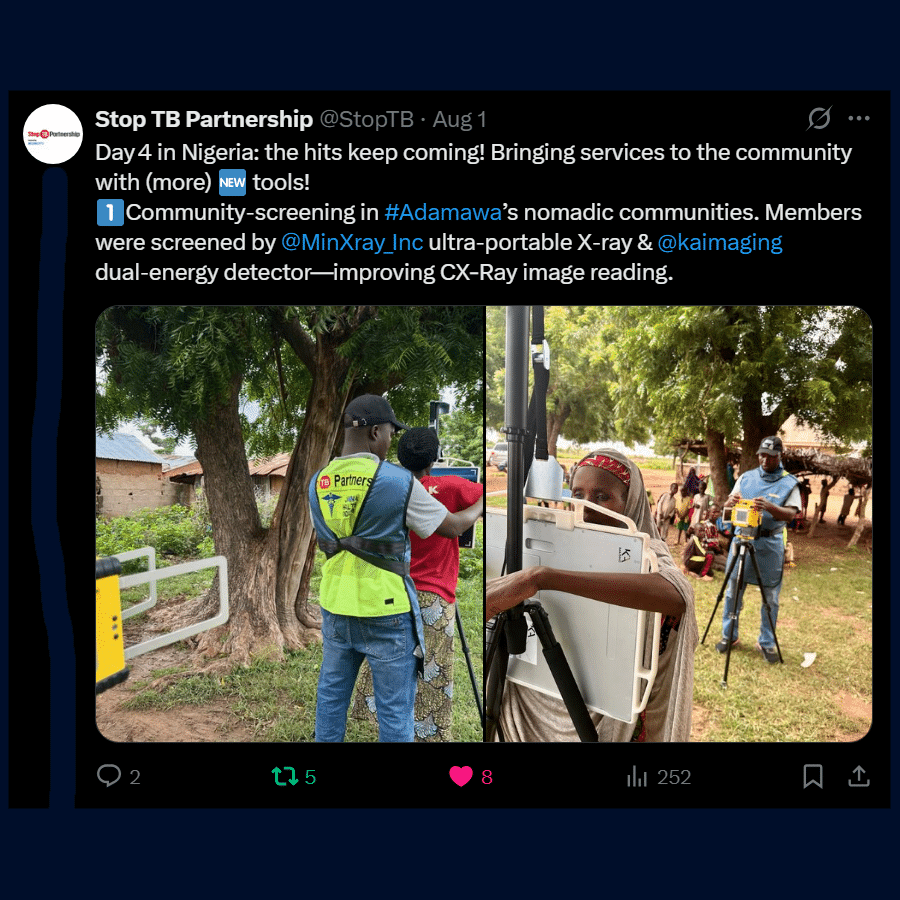
Image Credits: StopTB
Opportunities From Remote Access Imaging in Global Health
Expanding Diagnostic Reach
Many regions do not have access to CT or MRI. In these settings, X-ray often serves as the primary (and sometimes only) imaging modality. In addition, a lack of funding and infrastructure can make advanced imaging technologies inaccessible, leaving these regions to use technology that is either outdated, in need of maintenance, or underperforms in certain applications.
Improving the quality and clinical value of X-ray imaging may help support diagnostic confidence in settings where it is the primary imaging modality.
The Reveal 35C detector with SpectralDR® technology is designed to enhance diagnostic information available from a single X-ray exposure by producing traditional DR, bone, and soft tissue images simultaneously. Clinical studies using the Reveal 35C detector have demonstrated a 43% improvement in lesion visibility when dual-energy images were included, supporting the clinical value of spectral imaging.
When X-ray is the only imaging tool available, maximizing the information it delivers is essential for improving quality of care in medical environments that depend on remote access.
Image Credits: StopTB
Knowledge Transfer
Remote access imaging doesn’t just support clinical decision-making, it also enables continuous learning and skill development in communities with medical labour shortages.
When local teams work with higher-quality images, they build interpretation skills and clinical confidence. Remote specialists can review more complex and challenging cases and provide feedback. This collaborative approach encourages shared learning while keeping local clinicians at the centre of patient care.
Remote access imaging represents an important opportunity to help expand diagnostic reach and support healthcare providers in underserved areas. Technologies designed for portability, integration, and enhanced image information may play a meaningful role in strengthening local imaging capability while supporting collaboration with remote specialists.
Infrastructure
There are many technical requirements that must be considered when utilizing remote access imaging in limited resource areas. In order for remote access imaging to even be possible, there must be stable networks and low latency for remote communication and reliable data security when sending and receiving medical information.
Many global health settings face infrastructure constraints. Moreover, some medical personnel run diagnostic tests through mobile imaging units, rather than through dedicated infrastructure.
Before deployment, teams should evaluate compatibility with existing systems and workflows. Does the technology integrate with current workflows? Can it function in low-bandwidth environments? How will teams manage power supply and data storage?
This challenge calls for a portable, rugged solution that supports flexible deployment. The Reveal 35C detector is designed for use with fixed or mobile X‑ray systems (including retrofit on existing machines), meaning it can be brought into remote clinics or mobile units and doesn’t require costly new infrastructure. Furthermore, variations of the Reveal technology, such as the Reveal R 35C, are built to survive in tough environmental conditions.
Operational Factors
Even with the best X-ray technology at hand, medical teams will still struggle if there aren’t effective training opportunities to learn how to use new, and often unfamiliar, X-ray technologies. This requires an advanced understanding of the system’s image acquisition, transmission, and basic troubleshooting.
With our Kenyan access to imaging project, training local staff on the Reveal 35C technology was key to the project’s success. The project completely depended on the staff’s ability to adopt the Reveal technology.
When it comes to remote communication, time zone differences can affect response times and language differences may require translation support, which can complicate the workflow. Remote support should enhance local capacity, not create overreliance.
Conclusion: Building Practical Pathways to Imaging Access
Remote access imaging will not solve every gap in global healthcare. Many regions still face urgent challenges such as limited infrastructure, workforce shortages, and restricted funding. However, imaging remains a critical part of safe and informed medical decision-making.
In order to address global health gaps, we need to go beyond remote communication and focus on expanding access to reliable diagnostic tools like Reveal 35C. Remote consultation can support clinical teams when specialist expertise is not locally available, but meaningful progress begins with dependable imaging at the point of care.