
Scientific X-ray Imaging for Advanced Research Applications
Advanced Spectral and Phase Contrast X-ray Imaging
Scientific Imaging Systems
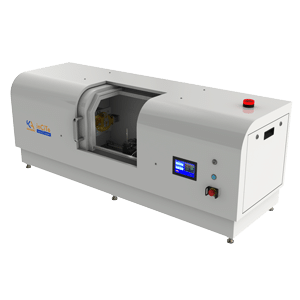
inCiTe™ 3D X-ray Microscope
High-resolution phase contrast micro-CT for laboratory-based structural analysis.
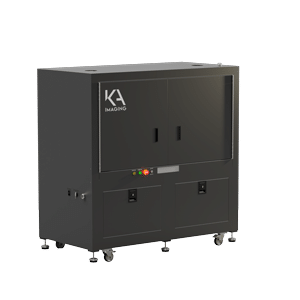
inCiTe™ 2.0
Integrated spectral and phase contrast micro-CT for multi-material research
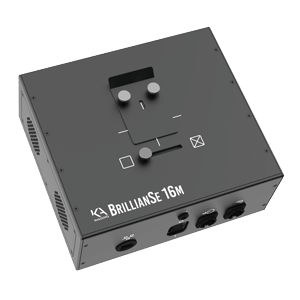
BrillianSe™ Detector
Direct conversion a-Se detector for high-resolution and low-flux research imaging.
Core Imaging Capabilities
Direct Conversion High-Resolution Detection
Direct conversion detection enables:
- High spatial resolution imaging
- Efficient performance above 20 keV
- Low-flux imaging efficiency
- Narrow point spread function (PSF)
- Micro-nano CT compatibility
Propagation-Based Phase Contrast Imaging
Phase contrast imaging enables:
- Improved visualization of low-density materials
- Enhanced edge definition
- Improved detectability of weakly absorbing structures
- Complementary contrast to absorption-based imaging
Spectral Multi-Energy Imaging
Scientific Research Applications
Materials Science and Composite Research
- Fiber composite analysis
- Additive manufacturing research
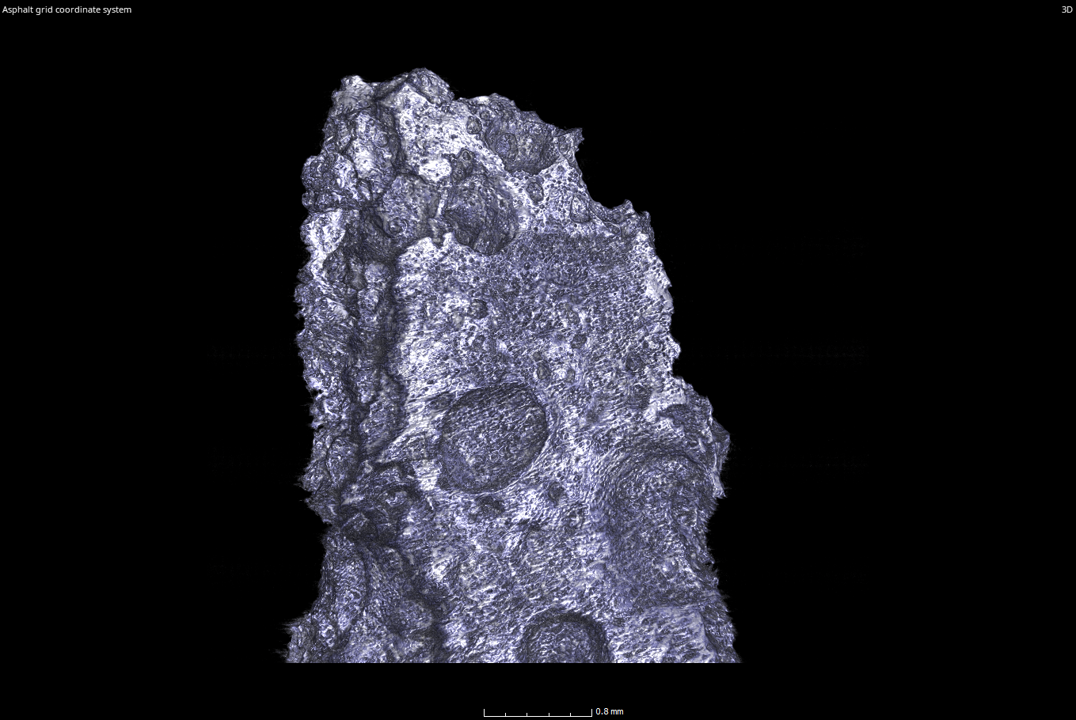
- Porosity and inclusion visualization
- Diffraction-based material microstructure imaging
- Internal structure characterization
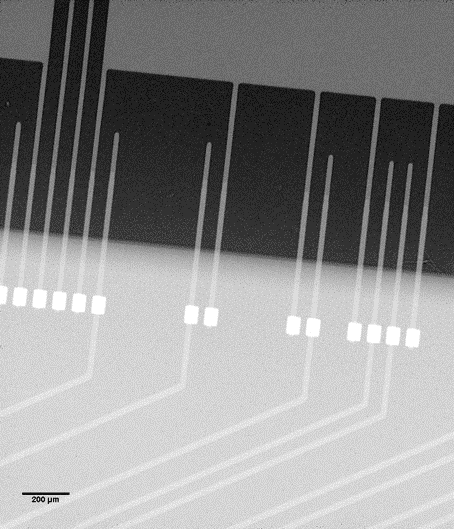
Semiconductor and Microelectronics R&D
- Device failure analysis
- Fine pitch trace inspection
- Crack and boundary visualization
- Laboratory-based microstructural analysis
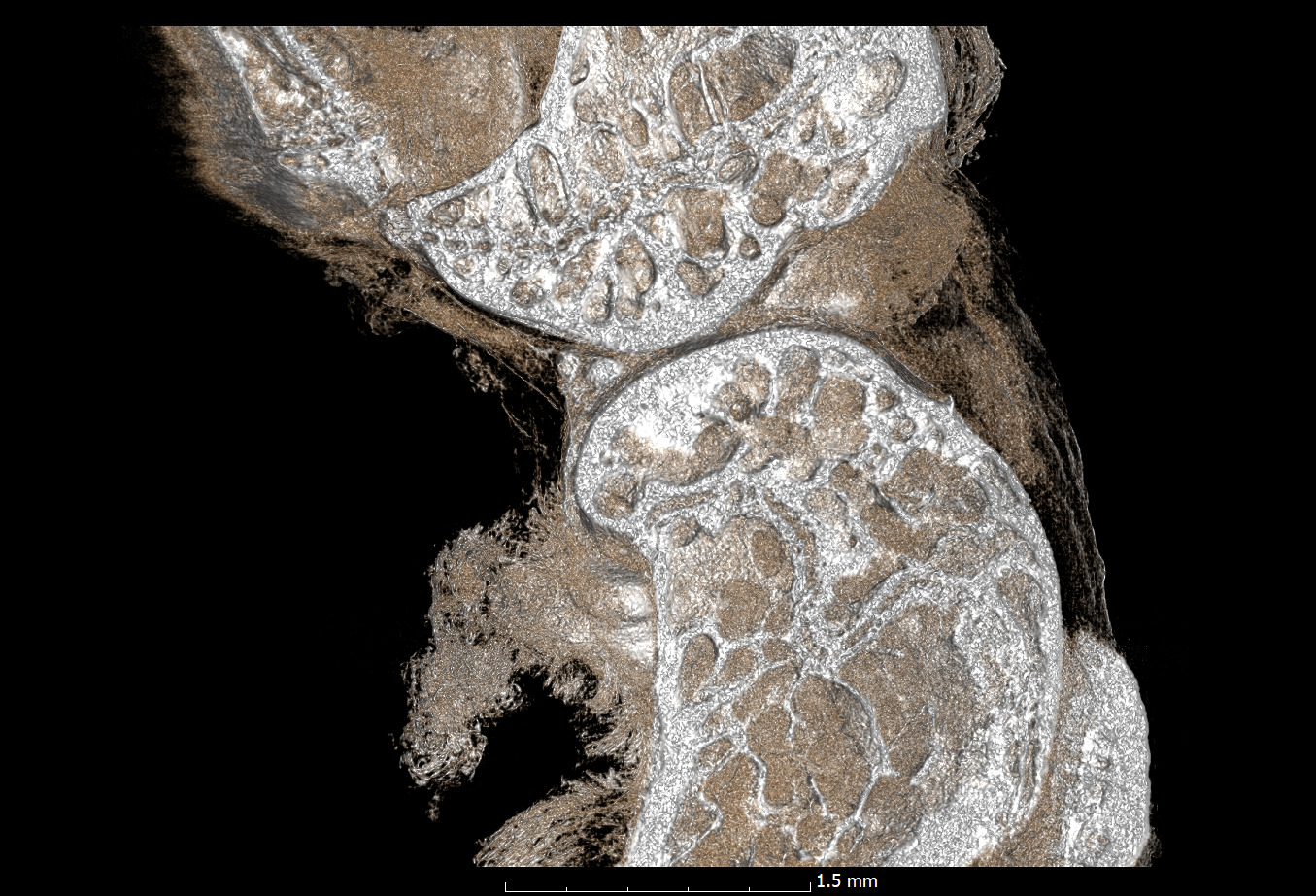
Biomedical and Preclinical Research Imaging
- Bone microstructure research
- Implant integrity analysis
- Soft tissue contrast enhancement (ex vivo)
- Pharmaceutical formulation inspection
- Specimen radiography
Propagation-based phase contrast imaging improves sensitivity to low-density and soft-tissue structures in laboratory and preclinical research environments.
Energy and Battery Materials Research
- Electrode morphology analysis
- Solid-state battery materials research
- Structural degradation studies
- Multi-material component differentiation
Why Multi-Modal X-ray Imaging Matters in Research
By integrating these modalities into laboratory-based systems, researchers can:
- Characterize complex multi-material samples
- Reduce destructive testing
- Improve microstructural analysis
- Enhance experimental reproducibility
- Streamline imaging workflows
Trusted by



Advanced Research Facilities and National Laboratories
BrillianSe™ direct conversion detectors are utilized in laboratory-based research environments requiring micron-scale resolution and efficient detection at elevated X-ray energies.
Research System Specifications
inCiTe™ 3D X-ray Microscope
- 8 µm pixel resolution
- Large 32 mm × 32 mm field of view
- Efficient low-flux imaging
- Grating-less phase contrast implementation
inCiTe™ 2.0 3D X-ray Microscope
An advanced modular micro-CT system integrating:
- Phase contrast imaging
- Spectral multi-energy imaging
- X-ray source options up to 130 kV
- Sub-micron pixel size at maximum magnification
- Larger sample accommodation via Reveal™ flat-panel integration
BrillianSe™ Direct Conversion Detector
A 16-megapixel hybrid a-Se/CMOS detector enabling:
- 8 µm pixel dimensions
- High DQE at hard X-ray energies
- Low-flux efficiency
- Diffraction-based microstructure imaging
- Micro-nano CT applications
Discuss Your Research Application
Latest blogs
What is multi-material differentiation in X-ray imaging? It is the ability to distinguish between different…
Beyond BMD: Understanding Bone Structure Two treatment groups in a preclinical study may show similar…
Looking Beyond the Surface You’ve inspected the surface of a failed component and found nothing…