Industrial X-ray Inspection for Quality Control and Non-Destructive Testing

Modern manufacturing requires reliable methods to verify internal structure, detect defects, and confirm material integrity without damaging the component being inspected.
However, portable radiography presents challenges. Critically ill patients frequently have multiple lines, tubes, and medical devices that can obscure anatomical structures in conventional radiographs.
Our systems support applications including additive manufacturing validation, electronics inspection, battery research and production quality verification, composite inspection, and pharmaceutical packaging analysis.

Industrial Inspection Systems

KA Imaging offers a portfolio of high-resolution X-ray imaging platforms and detectors designed for advanced inspection and non-destructive testing workflows.
how incite reduces micro-ct inspection costs

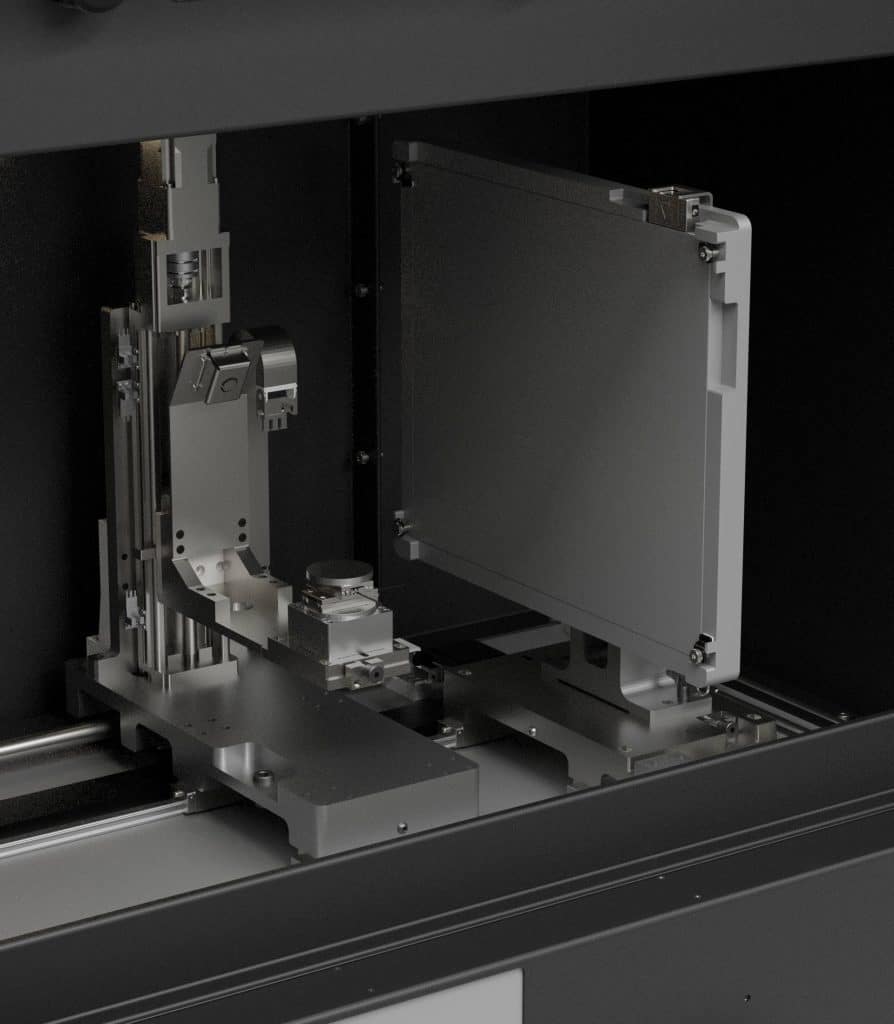
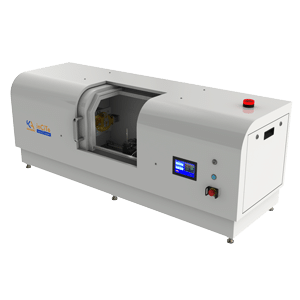
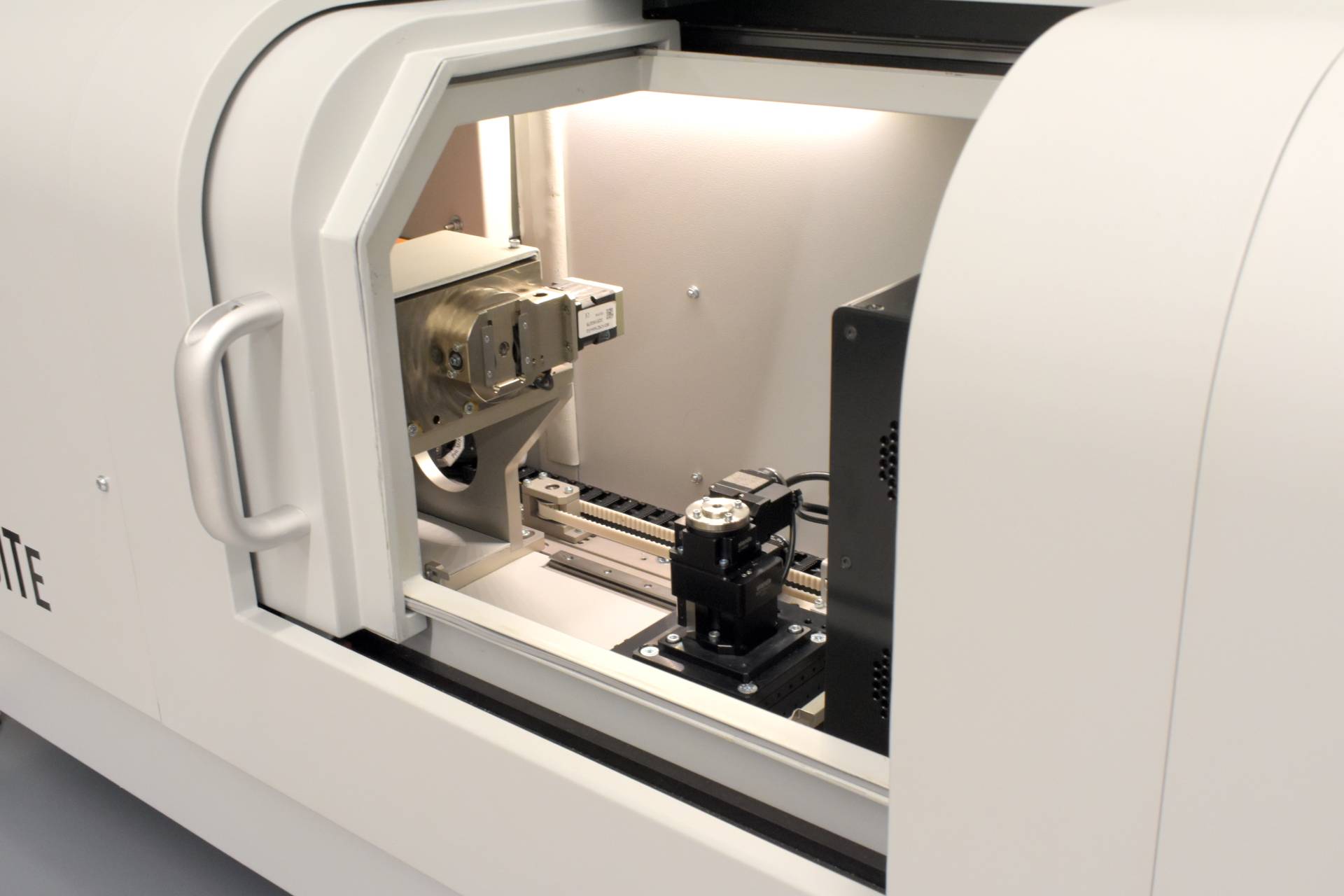
inCiTe™ 3D X-ray Microscope

High-resolution phase contrast micro-CT for laboratory-based structural analysis.
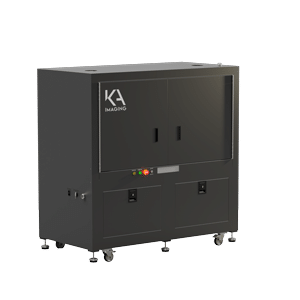
inCiTe™ 2.0

Integrated spectral and phase contrast micro-CT for multi-material research
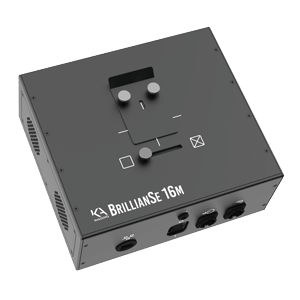
Brillianse can do high sensitivity imaging for low flux imaging

BrillianSe™ Detector

Direct conversion a-Se detector for high-resolution and low-flux research imaging.

Non-Destructive Inspection for Industrial Quality Control

Non-destructive testing (NDT) methods allow manufacturers and researchers to evaluate internal structures without damaging the component being inspected. X-ray imaging and computed tomography provide a powerful approach for identifying internal defects, verifying structural integrity, and analyzing complex assemblies that cannot be assessed through external inspection alone. These inspection methods support quality control workflows across industries such as additive manufacturing, electronics, battery development, advanced materials, and pharmaceutical packaging.

Core Inspection Capabilities

Detect Internal Defects with High-Resolution X-ray Imaging

High spatial resolution X-ray imaging enables identification of internal defects that are not visible through external inspection.
Common inspection targets include:

cracks and fractures

voids and porosity

inclusions and contaminants

delamination in composite structures

internal structural inconsistencies
These capabilities support quality assurance and defect analysis across industrial production and research environments.

Inspect Complex Structures with Micro-CT

Three-dimensional CT imaging allows non-destructive internal analysis of complex geometries. 

Micro-CT inspection enables: 

  • internal structure visualization 
  • virtual cross-sectioning without cutting the part 
  • detection of internal manufacturing defects 
  • validation of additive manufacturing builds 

Volumetric inspection provides deeper insight into internal component structure and manufacturing quality. 

Differentiate Materials with Spectral Imaging

Spectral X-ray imaging enables differentiation between materials within complex assemblies.
This capability can improve inspection of components containing multiple materials or density variations.
Potential applications include: multi-material component inspection battery component differentiation contamination detection layered material analysis Spectral imaging capabilities are available with the inCiTe™ 2.0 platform.

Capture Fine Detail with Direct Conversion Detection

Direct conversion detectors capture X-ray photons without intermediate scintillation layers, enabling improved spatial resolution and signal fidelity.

BrillianSe™ amorphous selenium detectors support high-resolution inspection of fine structural details and weak contrast features in industrial imaging environments.

Quality Control Applications

Additive Manufacturing Inspection

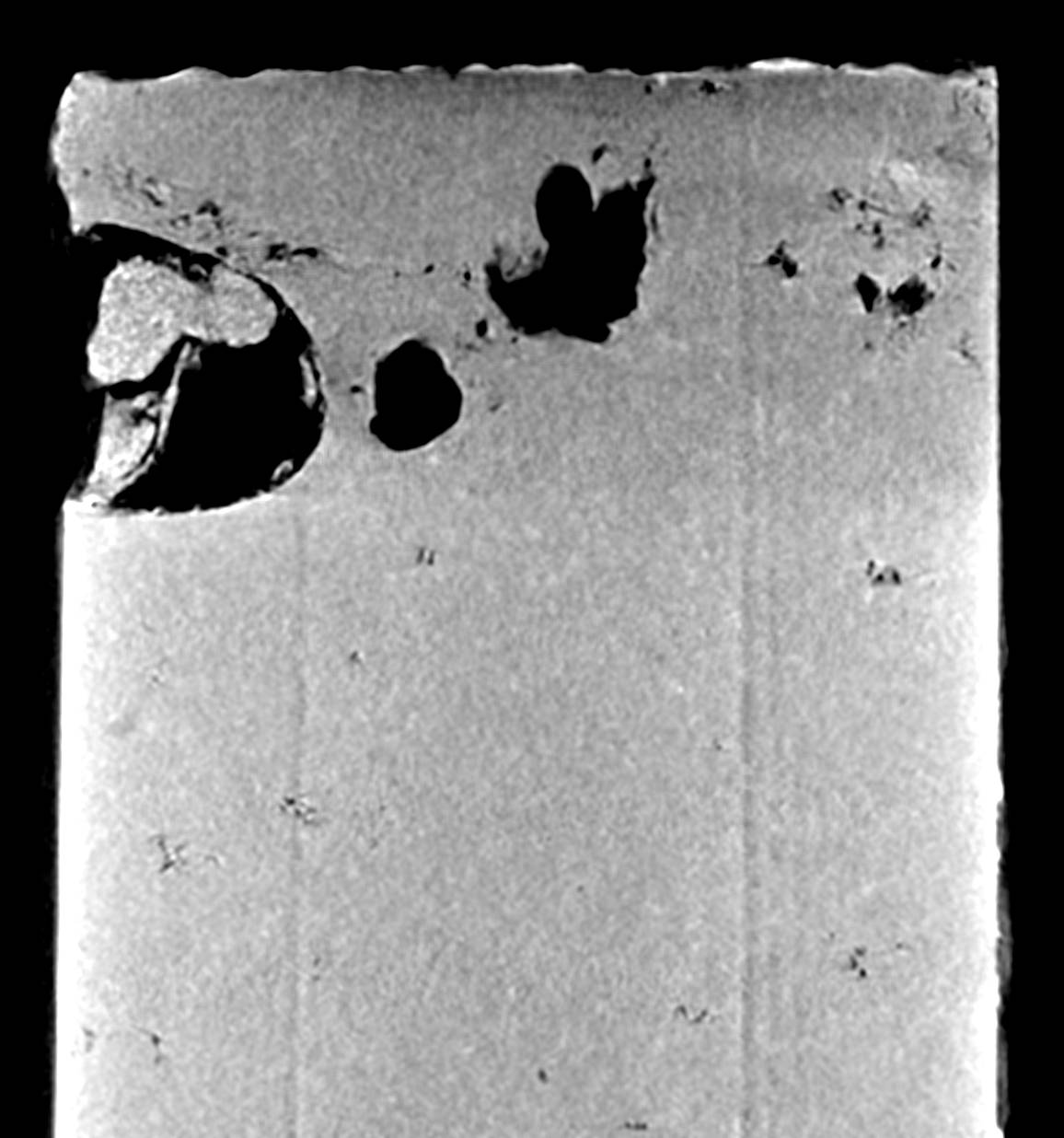
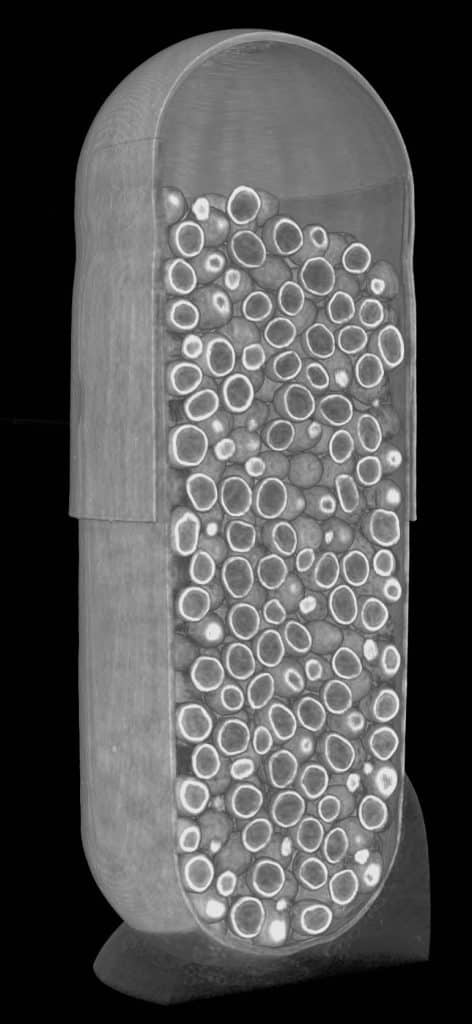
X-ray and CT inspection are widely used to validate additive manufacturing components by identifying internal defects such as porosity, incomplete fusion, or structural inconsistencies.
3D Printed Aluminum Sample

Electronics and Semiconductor Inspection

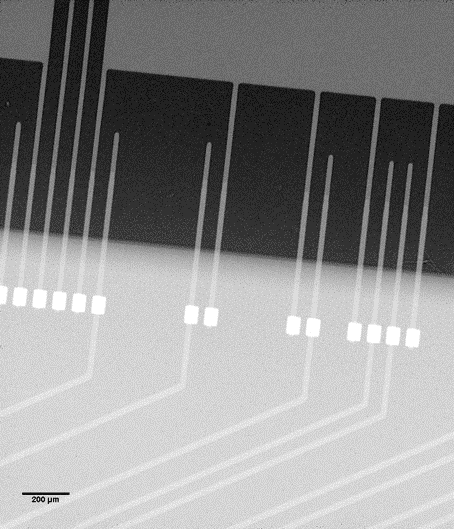
High-resolution X-ray inspection enables analysis of electronic assemblies including: 

  • solder joint inspection 
  • internal PCB structures 
  • component integrity verification

Composite and Advanced Materials

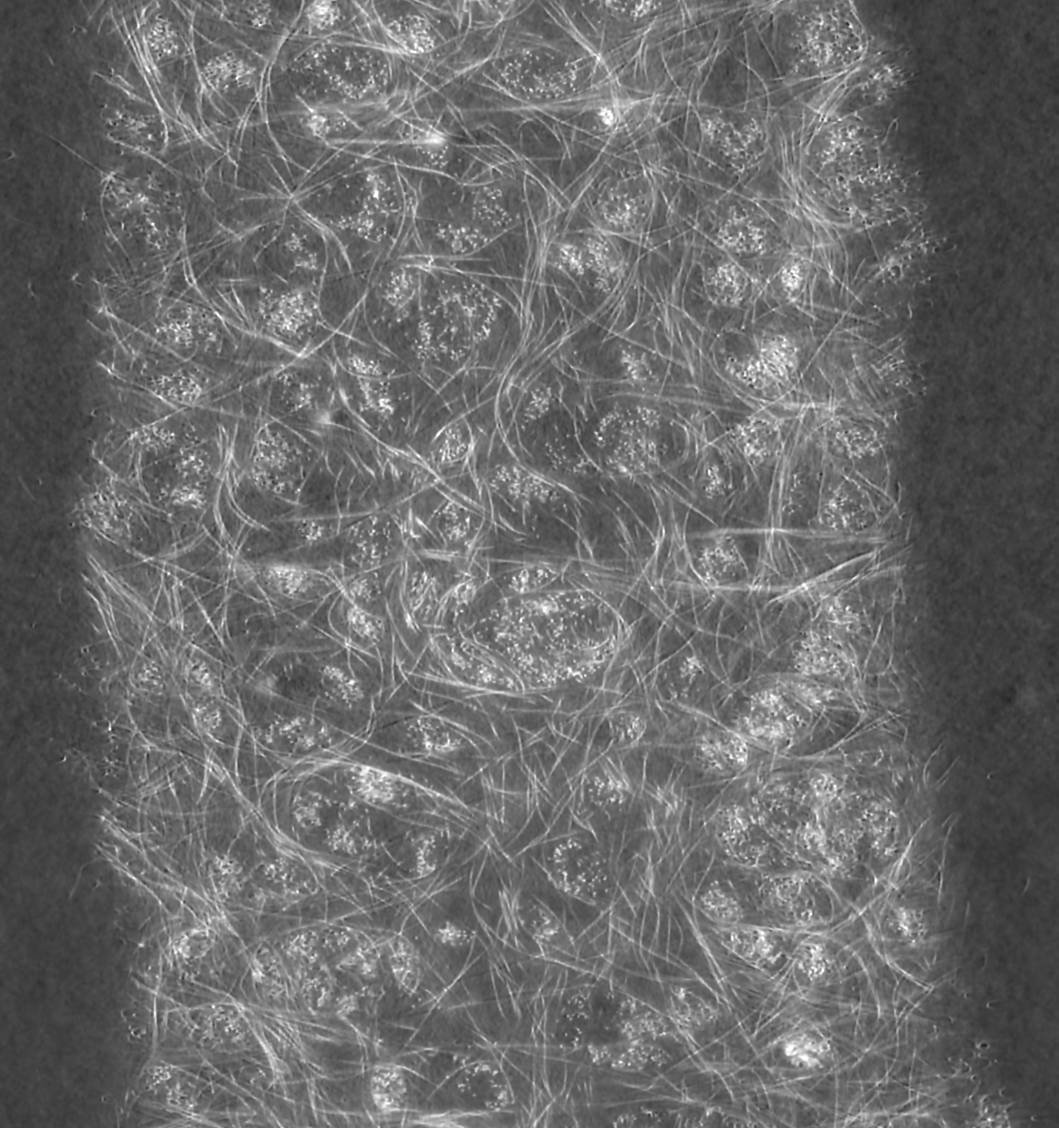
Composite materials used in aerospace and industrial manufacturing require inspection methods capable of detecting internal defects such as delamination, fiber misalignment, and voids.
Pristine Graphite Sample

Pharmaceutical Inspection

X-ray inspection can be used to analyze pharmaceutical packaging and products to evaluate integrity, verify fill levels, or detect internal contaminants without damaging the product.

Battery and Energy Systems

Inspection of battery components and assemblies can benefit from non-destructive internal analysis to evaluate internal structure and detect defects within multi-layer materials.

Why Advanced X-ray Inspection Matters

Quality control increasingly requires methods capable of revealing internal defects and structural variations that cannot be detected through external inspection.
Advanced X-ray imaging provides manufacturers and research teams with deeper insight into internal structure, enabling more informed quality decisions and improved process validation.

Learn About System Specifications

how incite reduces micro-ct inspection costs

inCiTe™ 3D X-ray Microscope

A high-resolution benchtop micro-CT system integrating BrillianSe™ direct conversion detection with propagation-based phase contrast imaging.
  • 8 µm pixel resolution 
  • Large 32 mm × 32 mm field of view 
  • Efficient low-flux imaging 
  • Grating-less phase contrast implementation 

inCiTe™ 2.0 3D X-ray Microscope

An advanced modular micro-CT system integrating: 

  • Phase contrast imaging 
  • Spectral multi-energy imaging 
  • X-ray source options up to 130 kV 
  • Sub-micron pixel size at maximum magnification 
  • Larger sample accommodation via Reveal™ flat-panel integration 
Brillianse can do high sensitivity imaging for low flux imaging

BrillianSe™ Direct Conversion Detector

A 16-megapixel hybrid a-Se/CMOS detector enabling: 

  • 8 µm pixel dimensions 
  • High DQE at hard X-ray energies 
  • Low-flux efficiency 
  • Diffraction-based microstructure imaging 
  • Micro-nano CT applications 

Discuss Your Inspection Requirements

Inspection requirements vary depending on component size, material composition, and analysis objectives.
Contact KA Imaging to learn how advanced X-ray imaging systems can support your quality control and inspection workflows.

Latest blogs

BrillianSe vs Conventional X-ray Detectors in Low Flux…

What Is Low Flux Imaging? Low flux imaging refers to imaging conditions where only a…

Electronics X-ray Inspection Explained: Inside the Technology That…

You can’t fix what you can’t see. As electronic devices become more compact, densely layered,…

Explosive Detection Equipment: How Spectral Imaging Outperforms Traditional…

EOD teams depend on the accuracy of explosive detection equipment for keeping high-risk areas like…